The Future of AI Applications Amid Technological Developments
The landscape of Artificial Intelligence is evolving at an unprecedented pace, reshaping industries, economies, and societies worldwide. What was once the realm of science fiction is now becoming an everyday reality, with AI systems demonstrating capabilities that were unfathomable just a decade ago. From revolutionizing healthcare and manufacturing to transforming how we communicate and create, the reach of AI applications continues to expand, driven by relentless technological developments. This article delves into the intricate tapestry of emerging AI technologies, exploring how these innovations are not merely enhancing existing systems but fundamentally redefining the possibilities of intelligent automation and human-machine collaboration. Understanding the trajectory of these advancements is crucial for businesses, policymakers, and individuals alike, as the decisions made today will profoundly impact our collective future. We will explore the transformative impact across various sectors, examine the ethical considerations that accompany such powerful tools, and outline strategies for navigating this exciting yet complex new era. The future of AI applications is not a distant concept; it is being built right now, demanding our attention, foresight, and collaborative effort to harness its immense potential responsibly and effectively.
The Current AI Landscape and Foundational Shifts
The present era of Artificial Intelligence is marked by several foundational shifts that have dramatically accelerated its capabilities and pervasiveness. Unlike previous waves of AI, which often focused on narrow, task-specific intelligence, today\'s advancements are characterized by more generalized, adaptable, and multimodal systems. This paradigm shift is largely attributable to breakthroughs in computational power, vast datasets, and sophisticated algorithmic architectures. We are witnessing an unprecedented democratization of AI tools, making advanced capabilities accessible to a broader range of developers and businesses, thereby fostering rapid innovation. The implications for the future of AI applications are profound, laying the groundwork for truly intelligent systems that can learn, adapt, and interact with the world in increasingly nuanced ways.
The Era of Generative AI and Large Language Models (LLMs)
One of the most significant breakthroughs in recent years has been the rise of Generative AI, particularly Large Language Models (LLMs). Models like OpenAI\'s GPT series, Google\'s Gemini, and Anthropic\'s Claude have demonstrated astonishing abilities to understand, generate, and summarize human-like text, translate languages, and even write code. These models are trained on colossal datasets, allowing them to grasp complex patterns and nuances of human communication. Their applications are diverse and rapidly expanding, from automating content creation for marketing and journalism to enhancing customer service through advanced chatbots and personal assistants. In software development, LLMs are proving invaluable for code generation, debugging, and documentation. The capacity of these models to create novel content, whether text, images, or even music, signifies a profound leap in AI\'s creative potential, influencing the AI innovation trends across multiple sectors.
Democratization of AI Tools and Platforms
Historically, developing and deploying AI solutions required specialized expertise and significant computational resources, limiting its adoption to large corporations and research institutions. However, the landscape has changed dramatically with the democratization of AI tools and platforms. Cloud providers like AWS, Azure, and Google Cloud offer extensive AI/ML services, providing pre-trained models, accessible APIs, and scalable infrastructure. Open-source frameworks such as TensorFlow, PyTorch, and Hugging Face have further lowered the barrier to entry, enabling developers worldwide to build, customize, and deploy AI models with relative ease. This accessibility fosters a vibrant ecosystem of innovation, allowing startups and smaller businesses to leverage advanced AI capabilities without immense upfront investment. The widespread availability of these tools is a crucial factor shaping the emerging AI technologies landscape and accelerating their integration into everyday applications.
The Rise of Multimodal AI
While early AI models often specialized in a single data type (e.g., text, images, or audio), the cutting edge of AI development is increasingly focused on multimodal AI. These advanced systems are designed to process and integrate information from multiple modalities simultaneously, mimicking human perception and cognition more closely. For example, a multimodal AI can analyze an image, understand the accompanying text description, and interpret spoken commands, all within a single framework. This capability unlocks a new generation of sophisticated applications, such as AI assistants that can not only understand verbal requests but also perceive and react to visual cues from their environment. In autonomous vehicles, multimodal AI integrates sensor data from cameras, lidar, and radar to create a comprehensive understanding of the surroundings. This holistic approach is fundamental to developing more robust, context-aware, and intelligent systems, significantly impacting the next generation artificial intelligence solutions.
Emerging AI Technologies Driving Future Applications
The pace of innovation in Artificial Intelligence shows no signs of slowing, with several groundbreaking technologies on the horizon poised to redefine what AI can achieve. These emerging areas promise to overcome current limitations, unlock unprecedented computational power, and address critical challenges such as data privacy and model explainability. Understanding these advancements is key to anticipating the truly transformative future of AI applications and their broad societal impact.
Quantum AI and Neuromorphic Computing
Beyond traditional silicon-based computing, two revolutionary paradigms are gaining traction: Quantum AI and Neuromorphic Computing. Quantum AI leverages the principles of quantum mechanics to perform computations exponentially faster than classical computers for certain problems. While still in its nascent stages, quantum machine learning algorithms hold the potential to revolutionize areas like drug discovery, materials science, and complex optimization problems that are intractable for even the most powerful supercomputers today. Imagine an AI capable of simulating molecular interactions at an atomic level or optimizing global logistics networks with unparalleled efficiency. Neuromorphic computing, on the other hand, seeks to mimic the structure and function of the human brain. These specialized chips are designed to process information in a massively parallel and energy-efficient manner, akin to biological neurons and synapses. This approach could lead to highly efficient AI systems capable of continuous learning and adaptation, ideal for edge computing and real-time sensory processing. Both technologies represent long-term investments in the emerging AI technologies landscape, promising to unlock computational capabilities previously unimaginable.
Explainable AI (XAI) and Trustworthy AI
As AI systems become more complex and are deployed in critical domains like healthcare, finance, and autonomous systems, the demand for transparency and accountability grows. Explainable AI (XAI) is a field dedicated to developing AI models whose decisions can be understood and interpreted by humans. Rather than being \"black boxes,\" XAI aims to provide insights into why an AI made a particular prediction or recommendation. This is crucial for building trust, ensuring fairness, and complying with regulatory requirements. Closely related is the broader concept of Trustworthy AI, which encompasses not only explainability but also robustness (resilience to adversarial attacks), fairness (absence of bias), privacy, and security. Future AI applications will increasingly incorporate XAI techniques to justify their actions, allowing for human oversight and intervention when necessary. This focus on transparency and ethical design will be paramount for the responsible development and deployment of next generation artificial intelligence solutions, especially in high-stakes environments.
Federated Learning and Privacy-Preserving AI
Data privacy is a paramount concern in the age of pervasive AI. Traditional AI training often requires centralizing vast amounts of data, raising privacy risks and regulatory hurdles. Federated Learning offers a groundbreaking alternative. In this approach, AI models are trained on decentralized datasets located on individual devices (e.g., smartphones, hospital servers) without the raw data ever leaving its source. Only model updates or aggregated insights are sent back to a central server, preserving individual privacy. This technique is particularly valuable for industries dealing with sensitive information, such as healthcare (training medical diagnostic models without sharing patient records) or finance (improving fraud detection across banks without exchanging customer data). Complementary to federated learning are other privacy-preserving AI techniques like differential privacy and homomorphic encryption, which allow computations on encrypted data. These advancements are critical for ensuring that the future of AI applications can continue to leverage large datasets for training while upholding stringent privacy standards and addressing evolving data protection regulations.
Foundation Models and AI Agents
The concept of \"Foundation Models\" builds upon the success of LLMs, extending the idea of large, pre-trained models that can be adapted to a wide range of downstream tasks with minimal fine-tuning. These models are trained on massive, diverse datasets across various modalities (text, image, audio, video), enabling them to learn broad patterns and representations that are highly transferable. A single foundation model could potentially serve as the backbone for numerous specialized AI applications, from content generation to scientific discovery. Building on this, \"AI Agents\" represent the next evolutionary step. Unlike static models, AI agents are designed to be autonomous, goal-oriented, and capable of sequential decision-making and interaction with their environment. They can plan, execute actions, learn from feedback, and even communicate with other agents or humans to achieve complex objectives. Imagine an AI agent that can manage your entire digital workflow, conduct research, and even negotiate on your behalf. These agents, powered by foundation models, are set to transform productivity and personal assistance, driving significant AI innovation trends and shaping the landscape of future human-AI collaboration.
Transformative Impact of Advanced AI on Industries
Advanced AI is not merely optimizing existing processes; it is fundamentally restructuring entire industries, creating new business models, and redefining the competitive landscape. The convergence of computational power, big data, and sophisticated algorithms is unleashing a wave of innovation that promises unprecedented efficiency, personalization, and problem-solving capabilities across diverse sectors. The impact of advanced AI on industries is multifaceted, leading to improvements in productivity, enhanced decision-making, and the creation of entirely new products and services.
Healthcare: Precision Medicine and Drug Discovery
The healthcare sector is undergoing a profound transformation thanks to AI. Precision medicine, where treatments are tailored to an individual\'s genetic makeup, lifestyle, and environment, is becoming a reality. AI algorithms can analyze vast amounts of patient data, including genomics, electronic health records, and imaging scans, to identify subtle patterns that predict disease risk, personalize treatment protocols, and optimize drug dosages. In drug discovery, AI accelerates the identification of potential drug candidates, predicts their efficacy and toxicity, and optimizes molecular structures, dramatically reducing the time and cost associated with bringing new medicines to market. Companies like DeepMind\'s AlphaFold have revolutionized protein folding prediction, a critical step in understanding diseases and developing new therapies. This translates to faster development of cures for complex diseases and more effective, individualized patient care, representing a critical area for future of AI applications.
Manufacturing and Supply Chain: Hyper-Automation and Predictive Maintenance
Industry 4.0 is largely driven by AI\'s integration into manufacturing and supply chains. Hyper-automation, combining AI with Robotic Process Automation (RPA), IoT, and other technologies, is creating fully autonomous factories where production lines are optimized in real-time. AI-powered robots handle intricate assembly tasks, while computer vision systems perform quality control with unparalleled precision. Predictive maintenance, another critical application, uses AI to analyze data from sensors embedded in machinery, forecasting potential equipment failures before they occur. This allows for proactive maintenance, minimizing downtime, reducing operational costs, and extending the lifespan of valuable assets. Furthermore, AI optimizes complex global supply chains by predicting demand fluctuations, identifying potential disruptions, and optimizing logistics routes, ensuring resilience and efficiency. The impact of advanced AI on industries here is about creating leaner, smarter, and more responsive operational frameworks.
Finance: Algorithmic Trading and Fraud Detection Evolution
The financial sector has been an early adopter of AI, particularly in algorithmic trading, where AI models execute trades at high speeds based on complex market analysis. Beyond this, AI is revolutionizing risk management by analyzing vast datasets to assess creditworthiness, predict market movements, and identify potential financial instabilities. One of the most critical applications is in fraud detection. AI systems can identify anomalous transaction patterns and suspicious activities in real-time, significantly reducing financial losses from fraud. These systems continuously learn from new data, adapting to evolving fraud tactics faster than human analysts. The evolution of AI in finance also extends to personalized financial advice, automated compliance checks, and enhanced cybersecurity measures, safeguarding assets and ensuring regulatory adherence. This demonstrates how emerging AI technologies are bolstering the security and efficiency of global financial systems.
Education and Personal Development: Adaptive Learning and AI Tutors
AI is poised to transform education by making learning more personalized, engaging, and accessible. Adaptive learning platforms leverage AI to assess a student\'s strengths, weaknesses, and learning style, then customize curricula and provide targeted resources. AI tutors can offer immediate feedback, answer questions, and guide students through complex topics, supplementing traditional teaching methods. For personal development, AI-powered tools can recommend tailored learning paths, career development resources, and even provide coaching for skills like public speaking or coding. This personalized approach addresses diverse learning needs, enhances student engagement, and improves educational outcomes, paving the way for more effective and equitable learning experiences globally. The next generation artificial intelligence solutions in education aim to empower individuals with lifelong learning capabilities.
Creative Industries: AI-Assisted Content Generation and Design
Far from merely automating repetitive tasks, AI is increasingly demonstrating its prowess in creative domains. Generative AI models can produce high-quality text, images, music, and even video from simple prompts, assisting artists, designers, writers, and musicians. In graphic design, AI tools can generate logo variations, optimize layouts, and suggest color palettes. For marketing, AI creates personalized ad copy and visual content at scale. In music production, AI can compose melodies, suggest harmonies, and even master tracks. While these tools raise questions about authorship and intellectual property, they primarily serve as powerful co-creative partners, augmenting human creativity rather than replacing it. They enable faster iteration, exploration of new styles, and the ability to produce diverse content more efficiently. This creative synergy highlights a fascinating aspect of the future of AI applications, where technology amplifies human artistic expression.
Here\'s a table summarizing the impact of advanced AI on various industries:
| Industry | Key AI Applications | Impact/Benefits | Examples (2024-2025 Outlook) |
|---|
| Healthcare | Precision Medicine, Drug Discovery, Diagnostic Imaging | Personalized treatments, accelerated drug development, early disease detection | AI-driven platforms for genomic sequencing analysis; AI models assisting radiologists in cancer detection; AI simulating drug compounds for new therapies. |
| Manufacturing & Supply Chain | Predictive Maintenance, Quality Control, Supply Chain Optimization | Reduced downtime, improved product quality, resilient logistics | Smart factories using AI for real-time production optimization; AI forecasting demand and managing inventory globally; autonomous inspection drones. |
| Finance | Fraud Detection, Algorithmic Trading, Risk Management | Enhanced security, improved trading efficiency, better risk assessment | Real-time AI anomaly detection in banking transactions; AI-powered credit scoring for underserved markets; personalized financial advisory bots. |
| Education | Adaptive Learning, Personalized Tutors, Content Curation | Tailored learning paths, increased engagement, improved outcomes | AI platforms adapting coursework to individual student pace; AI feedback systems for writing and coding; virtual reality learning environments powered by AI. |
| Creative Industries | AI-assisted Content Generation (text, image, audio), Design Automation | Faster content creation, exploration of new styles, personalized media | AI generating marketing campaigns based on audience data; AI assisting game developers with asset creation; AI composing background music for videos. |
| Agriculture | Precision Farming, Crop Monitoring, Automated Harvesting | Increased yields, reduced waste, sustainable farming practices | AI-powered drones monitoring crop health and identifying pests; autonomous tractors optimizing planting and harvesting; AI advising on irrigation needs. |
Next Generation AI Solutions and Human-AI Collaboration
The evolution of AI is moving beyond mere automation towards deep integration with human capabilities, fostering a new era of collaboration. The next generation artificial intelligence solutions are designed not to replace humans but to augment their intelligence, enhance their abilities, and seamlessly integrate into daily life and work. This shift emphasizes symbiotic relationships, where AI handles complex data processing and pattern recognition, while humans provide creativity, critical thinking, and emotional intelligence.
AI-Powered Personal Assistants and Companions
The current generation of voice assistants like Siri and Alexa offers a glimpse into the potential of AI-powered personal assistants. The next generation will be far more sophisticated, capable of understanding complex contextual nuances, anticipating needs, and performing multi-step tasks autonomously. Imagine an AI assistant that manages your calendar, orders groceries based on your dietary preferences, books travel, and even proactively suggests health routines based on your biometric data. These assistants will evolve into true companions, learning your habits, preferences, and even emotional states to provide more personalized and proactive support. They will be multimodal, interacting through voice, text, and visual interfaces, creating a seamless and intuitive user experience. This represents a significant aspect of the future of AI applications in everyday life, making technology truly personalized and predictive.
Augmented Intelligence for Decision Making
Augmented Intelligence refers to the use of AI to enhance human intelligence rather than replace it. In decision-making, this means AI systems provide insights, analyze complex data, and highlight critical information that humans might miss, empowering them to make better, faster, and more informed choices. For instance, in business strategy, AI can simulate market scenarios, predict consumer behavior, and evaluate the potential outcomes of different decisions. In medical diagnostics, AI can analyze patient data and suggest potential diagnoses, which are then reviewed and confirmed by human doctors. This collaborative approach leverages the strengths of both humans (intuition, creativity, ethical reasoning) and AI (data processing, pattern recognition, computational speed). The aim is to create intelligent systems that act as expert co-pilots, elevating human capabilities across all professional domains, thereby demonstrating the profound impact of advanced AI on industries.
Seamless Human-Robot Interaction (HRI)
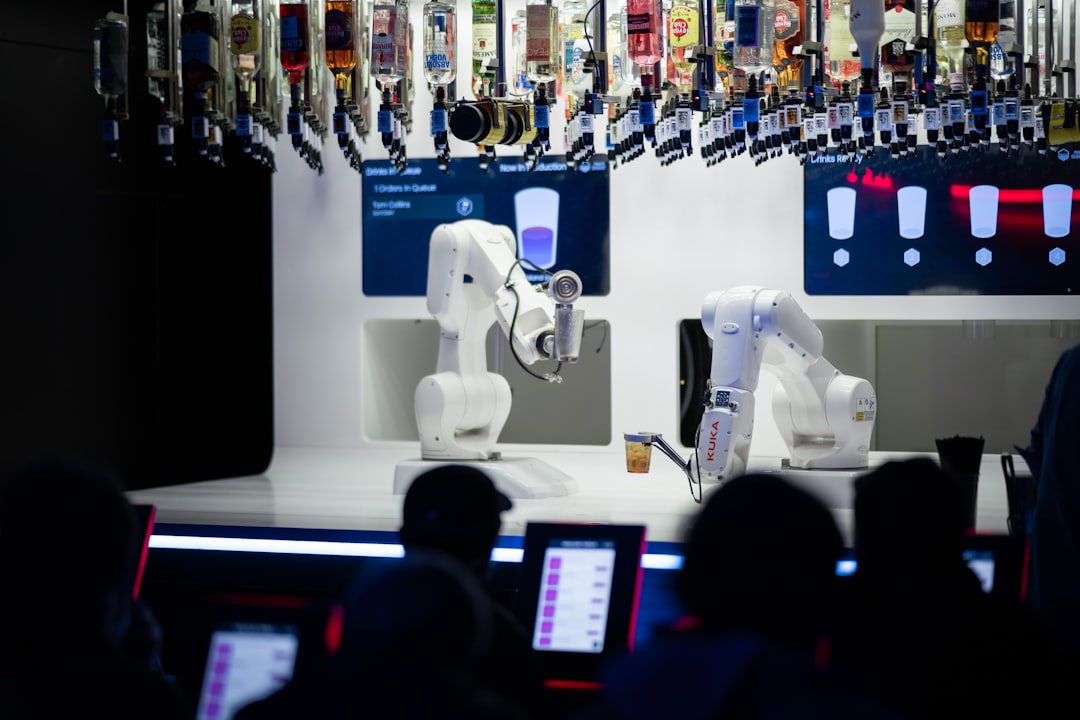
As robots become more sophisticated and integrated into various environments, from factories to homes, seamless Human-Robot Interaction (HRI) becomes paramount. The next generation of AI solutions will enable robots to understand human intentions, gestures, and emotions more intuitively. Advances in computer vision, natural language processing, and haptics will allow robots to work alongside humans safely and efficiently, whether on an assembly line, assisting in surgery, or providing care for the elderly. Collaborative robots (cobots) are already demonstrating this potential, working in tandem with human workers to perform tasks that require both precision and dexterity. Future HRI will involve robots that can learn from human demonstrations, adapt to individual preferences, and even engage in natural conversations, making them more effective partners and companions. This seamless integration is a cornerstone of emerging AI technologies, driving the development of truly intelligent robotic systems.
Ethical Considerations and Societal Implications of AI\'s Future
As AI continues its rapid ascent, bringing with it immense potential for progress and prosperity, it also raises profound ethical questions and societal implications that demand careful consideration. The development and deployment of increasingly powerful AI systems necessitate a proactive approach to address issues of fairness, accountability, privacy, and their broader impact on employment and human agency. Neglecting these challenges could lead to unintended consequences, eroding public trust and exacerbating existing societal inequalities. The discourse around AI ethics future predictions is not just academic; it is crucial for shaping responsible innovation.
Bias, Fairness, and Algorithmic Accountability
One of the most pressing ethical concerns in AI is the issue of bias. AI models learn from the data they are fed, and if that data reflects existing societal biases (e.g., racial, gender, socioeconomic), the AI will perpetuate and even amplify those biases in its decisions. This can lead to discriminatory outcomes in critical areas like loan applications, hiring processes, criminal justice, and healthcare. Ensuring fairness in AI systems requires diverse and representative training data, robust bias detection and mitigation techniques, and transparent evaluation metrics. Algorithmic accountability refers to the ability to hold AI systems, and their creators, responsible for their decisions and impacts. This involves developing methods for auditing AI algorithms, understanding their decision-making processes (XAI), and establishing clear legal and ethical frameworks for liability. Addressing bias and ensuring accountability are fundamental to building trustworthy next generation artificial intelligence solutions.
Job Displacement vs. Job Creation
The widespread adoption of AI applications inevitably sparks concerns about job displacement. As AI and automation become more sophisticated, tasks traditionally performed by humans, especially repetitive or data-intensive ones, are increasingly being automated. While some jobs may be eliminated or significantly altered, history suggests that technological revolutions also create new jobs and transform existing ones. AI is expected to augment human capabilities, leading to new roles that require human-AI collaboration, creativity, critical thinking, and emotional intelligence. The challenge lies in managing this transition, investing in reskilling and upskilling programs for the workforce, and fostering adaptive educational systems. Policymakers, educators, and industries must collaborate to prepare for this evolving labor market, ensuring that the benefits of AI-driven productivity are broadly shared and that no segment of society is left behind. This careful balance is critical for the positive impact of advanced AI on industries.
Data Privacy and Security in an AI-Driven World
AI systems are voracious consumers of data, making data privacy and security more critical than ever. The collection, storage, processing, and sharing of vast amounts of personal and sensitive information by AI applications raise significant privacy concerns. Breaches of AI-driven systems could expose individuals to identity theft, surveillance, and manipulation. Furthermore, AI models themselves can be vulnerable to adversarial attacks, where malicious inputs can trick the AI into making incorrect decisions, or to data poisoning, where corrupted data is used to manipulate the model\'s learning. Robust cybersecurity measures, privacy-preserving AI techniques (like federated learning and differential privacy), and stringent data governance frameworks are essential to protect individuals\' rights and maintain trust in AI systems. Ensuring the ethical handling of data is a cornerstone of responsible AI innovation trends.
The Challenge of AI Governance and Regulation
The rapid advancement of AI outpaces the development of effective governance and regulatory frameworks. Establishing appropriate laws, policies, and ethical guidelines is crucial to steer AI development towards beneficial outcomes and mitigate risks. This involves navigating complex questions: Who is liable when an autonomous AI system causes harm? How do we ensure human oversight of powerful AI? How can we prevent the misuse of AI for surveillance, disinformation, or autonomous weapons? International cooperation is vital to create harmonized standards and prevent a \"race to the bottom\" in AI ethics. Governments, industry leaders, academic experts, and civil society must collaborate to develop adaptable regulatory sandboxes, ethical AI principles, and mechanisms for public engagement. Proactive and thoughtful AI governance is indispensable for ensuring that the future of AI applications serves humanity\'s best interests.
“The development of powerful AI is like summoning the demon. In all the fairy tales, the guy who summons the demon is a schmuck. It’s not like, ‘Hey, let’s go make a lot of money and then the demon will do the bidding of humans.’ No, the demon is going to do what it wants.” – Elon Musk
Navigating the Future: Strategies for Adaptation and Innovation
The transformative potential of AI is undeniable, but realizing its full benefits requires proactive strategies for adaptation and continuous innovation. As AI technologies continue to mature and integrate into every facet of society, individuals, businesses, and governments must adopt forward-thinking approaches to prepare for and shape the future of AI applications. This involves a multi-pronged strategy focusing on education, investment, and robust infrastructure.
Fostering AI Literacy and Skill Development
To thrive in an AI-driven future, a broadly AI-literate workforce and populace are essential. This goes beyond just training AI specialists; it means equipping individuals across all professions with the fundamental understanding of how AI works, its capabilities, and its limitations. Educational systems need to integrate AI concepts into curricula from an early age, emphasizing critical thinking, problem-solving, and adaptability—skills that will complement AI rather than be replaced by it. Businesses must invest in continuous learning programs for their employees, offering opportunities to reskill into AI-adjacent roles or upskill to leverage AI tools effectively in their current positions. Fostering a culture of lifelong learning and digital fluency is paramount to ensure that the workforce can adapt to the evolving demands of an AI-augmented economy. This human capital development is a key driver for successful AI innovation trends.
Investing in R&D and Cross-Disciplinary Collaboration
Sustaining the momentum of AI innovation requires significant and continuous investment in research and development (R&D). This includes funding fundamental research into new AI paradigms, as well as applied research aimed at solving specific industry challenges. Crucially, future breakthroughs will increasingly come from cross-disciplinary collaboration. Combining AI expertise with insights from fields like neuroscience, psychology, ethics, social sciences, and various industry domains (e.g., medicine, materials science, environmental studies) will unlock novel applications and address complex societal problems. Governments, universities, and private sector companies must foster ecosystems that encourage such collaboration, breaking down traditional silos and creating environments where diverse perspectives can converge to push the boundaries of what emerging AI technologies can achieve. This collaborative spirit is vital for advancing the state of the art.
Building Robust AI Infrastructure and Data Strategies
The effective deployment of advanced AI applications relies heavily on robust underlying infrastructure and well-defined data strategies. This includes scalable cloud computing resources, specialized AI hardware (like GPUs and TPUs), and efficient data storage and processing capabilities. Organizations need to invest in building or accessing this infrastructure to support the intensive computational demands of training and running complex AI models. Equally important are comprehensive data strategies. This involves identifying, collecting, cleaning, and labeling high-quality datasets, which are the lifeblood of AI. Establishing clear data governance policies, ensuring data security and privacy, and implementing MLOps (Machine Learning Operations) practices for managing the entire AI lifecycle are critical. A strong data foundation and resilient infrastructure are non-negotiable prerequisites for transforming AI potential into practical, impactful next generation artificial intelligence solutions.
Frequently Asked Questions (FAQ)
Q1: What are the biggest societal challenges posed by the future of AI applications?
The biggest societal challenges include potential job displacement, the exacerbation of existing biases if AI models are not carefully designed, privacy concerns due to extensive data collection, and the ethical dilemmas surrounding autonomous decision-making in critical applications. Ensuring algorithmic accountability and developing effective governance frameworks are crucial to mitigating these risks and ensuring the responsible development of AI.
Q2: How will AI change the nature of work in the next 5-10 years?
In the next 5-10 years, AI will significantly change the nature of work by automating repetitive and data-intensive tasks, augmenting human capabilities, and creating new job roles focused on human-AI collaboration, ethical oversight, and creative problem-solving. While some jobs may be displaced, many will be transformed, requiring workers to acquire new skills in AI literacy, critical thinking, and adaptability. The focus will shift from task execution to strategic thinking and innovation.
Q3: What role will AI play in addressing global issues like climate change or pandemics?
AI will play a pivotal role in addressing global issues. For climate change, AI can optimize energy grids, predict extreme weather patterns, develop new sustainable materials, and manage complex ecological data. For pandemics, AI can accelerate drug and vaccine discovery, track disease spread, optimize resource allocation in healthcare, and enhance early detection systems. These applications leverage AI\'s ability to process vast datasets and identify complex patterns, offering powerful tools for global challenges.
Q4: How important is Explainable AI (XAI) for the widespread adoption of future AI applications?
Explainable AI (XAI) is critically important for the widespread adoption of future AI applications, especially in high-stakes domains like healthcare, finance, and autonomous systems. Without XAI, AI models remain \"black boxes,\" making it difficult to trust their decisions, diagnose errors, or comply with regulations. XAI fosters transparency, builds public trust, enables human oversight, and is essential for ensuring fairness and accountability in AI systems.
Q5: What skills should individuals focus on to prepare for an AI-driven future?
Individuals should focus on developing skills that complement AI capabilities rather than compete with them. These include critical thinking, creativity, complex problem-solving, emotional intelligence, communication, and collaboration. Additionally, AI literacy (understanding AI\'s fundamentals), data literacy, and continuous learning are essential to adapt to new tools and roles. Specializing in areas like AI ethics, human-AI interaction design, or prompt engineering will also be valuable.
Q6: Will AI lead to a greater divide between technologically advanced and less advanced nations?
There is a risk that AI could exacerbate the digital divide if access to AI technologies, education, and infrastructure is not equitably distributed. Technologically advanced nations and corporations might gain significant economic and strategic advantages. However, open-source AI, accessible cloud platforms, and initiatives for global AI literacy can help bridge this gap. International collaboration and ethical AI governance are crucial to ensure that the benefits of AI are shared broadly, fostering inclusive growth rather than a wider divide.
Conclusion: Charting a Course Towards a Synergistic Future
The journey into the future of AI applications is one of immense potential and profound implications. As we stand on the cusp of truly transformative technological developments, it is clear that Artificial Intelligence is not merely a tool but a fundamental force reshaping our world. From the groundbreaking capabilities of generative AI and multimodal systems to the promise of quantum AI and neuromorphic computing, the pace of innovation is accelerating, paving the way for next-generation solutions that will redefine industries from healthcare to education, finance to creative arts. The impact of advanced AI on industries will be characterized by hyper-automation, unparalleled precision, and a new era of human-AI collaboration, where intelligent systems augment our capabilities rather than simply replacing them.
However, this future is not without its complexities. Navigating the ethical landscape of AI—addressing issues of bias, privacy, job evolution, and robust governance—is paramount. The responsible development and deployment of AI will require a concerted effort from governments, businesses, academics, and individuals to ensure fairness, accountability, and transparency. By fostering AI literacy, investing in interdisciplinary research and development, and building resilient infrastructure, we can chart a course toward a synergistic future where AI serves humanity\'s best interests. The ultimate success of AI will hinge not just on its technological prowess, but on our collective wisdom to guide its evolution ethically and inclusively. The opportunities are boundless, and by embracing the challenges with foresight and collaboration, we can unlock a future where AI empowers human potential to unprecedented levels.
Site Name: Hulul Academy for Student Services
Email: info@hululedu.com
Website: hululedu.com